
Exhibition, film screening, poetry performance, dinner and discussion.
The event shared CAP’s work in Bangladesh, and brought artists, advocates and the Rohingya community together to discuss creative approaches to advocacy.
In partnership with MSFA, ARWDO and Join The Dots Workshop

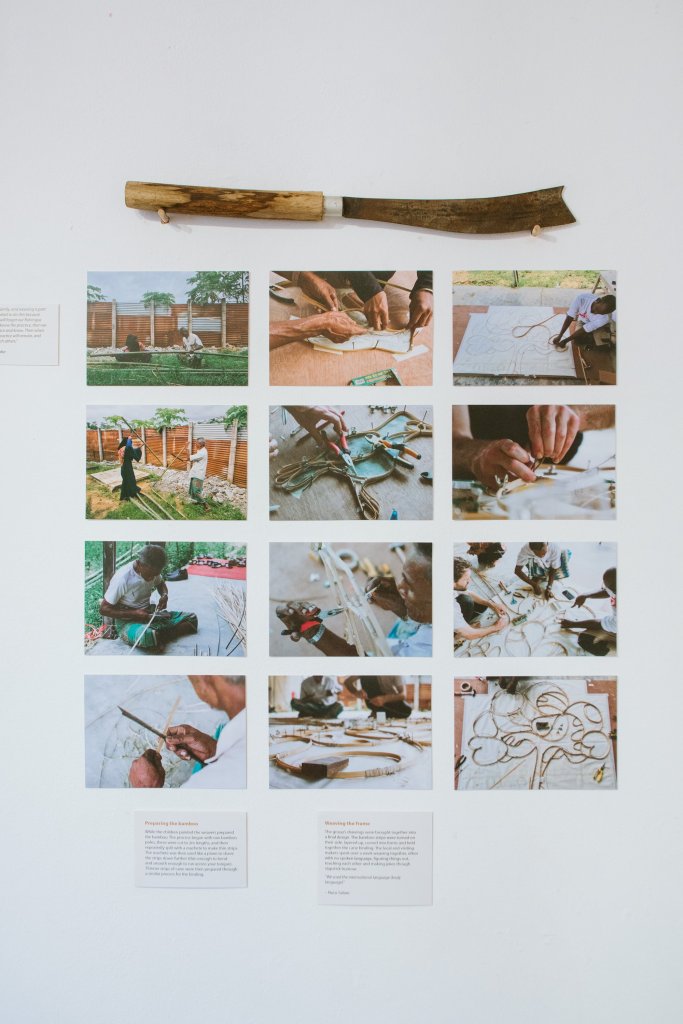
Exhibiting the making process
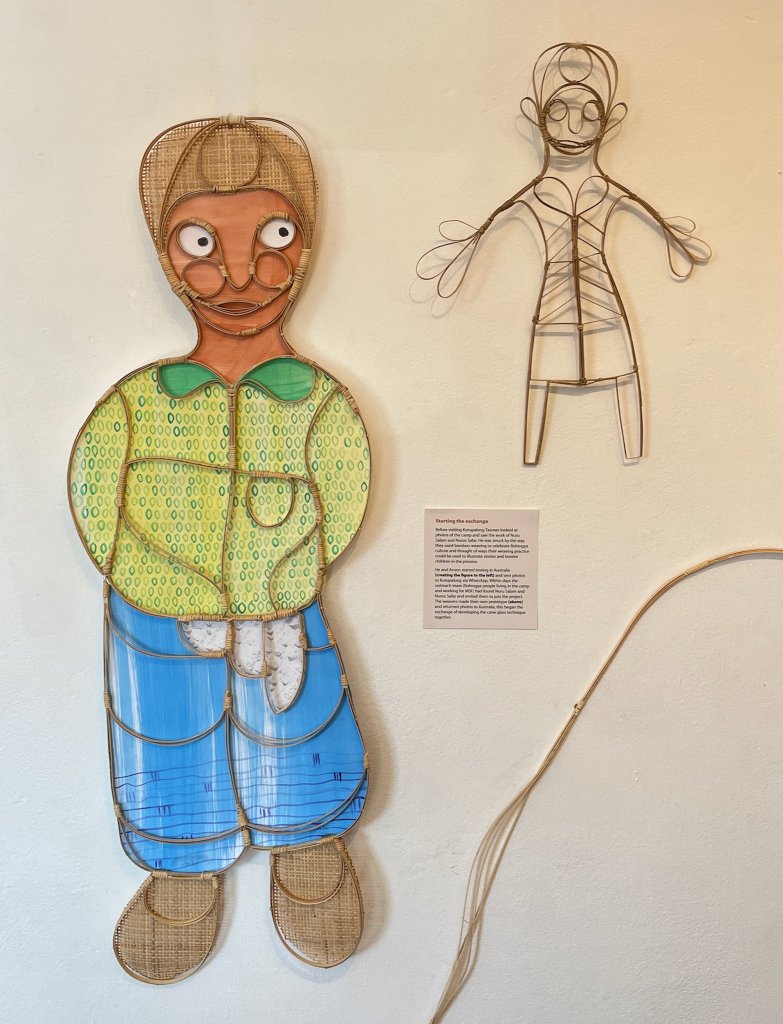
Starting the exchange
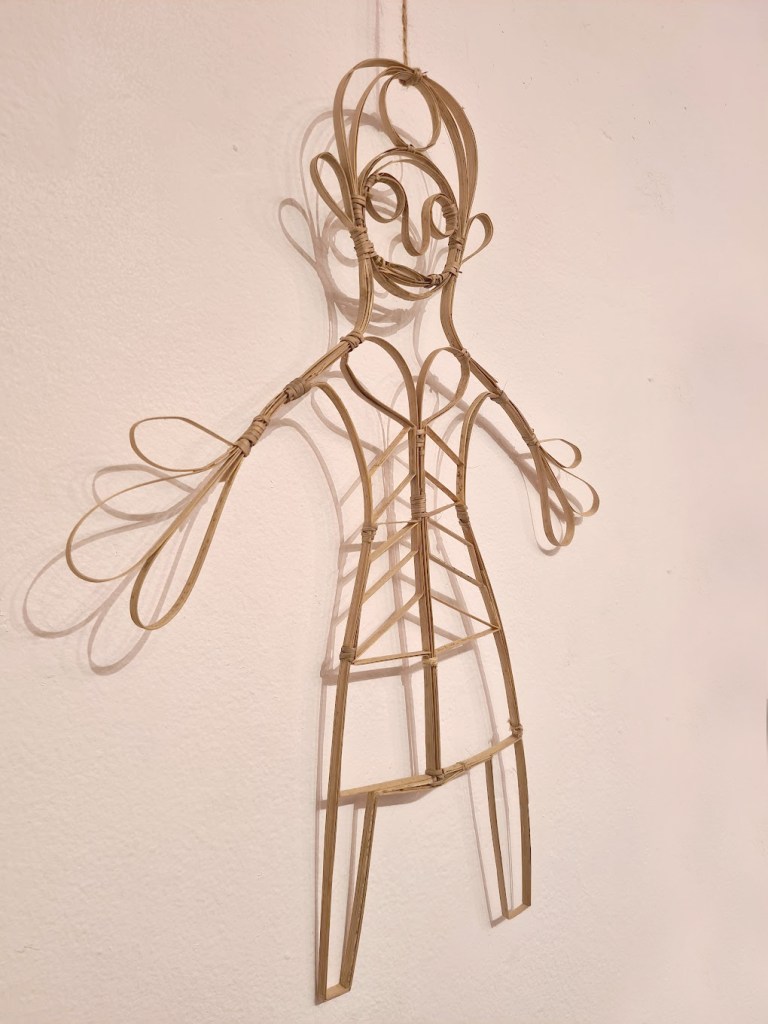
Before visiting Kutupalong, Tasman looked at photos of the camp and saw the work of Nuru Salam and Nurus Safar. He was struck by the way they used bamboo weaving to celebrate Rohingya culture and thought of ways their weaving practice could be used to illustrate stories and involve children in the process. He and Arunn started testing in Australia and sent photos to Kutupalong via WhatsApp. Within days the outreach team (Rohingya people living in the camp and working for MSF) had found Nuru Salam and Nurus Safar and invited them to join the project. The weavers made their own prototype (figure to the right) and returned photos to Australia, this began the exchange of developing the cane glass technique together.
Meeting each other
On the first day we all sat down in the weavers’ shelter, looking over the prototypes and planning the project together – How big would the work be, should we use bamboo or cane, how would the weavers get their tools past the checkpoints in the camp? Yakub (the storyteller) also joined and shared one of the stories he would tell during the kyssa gathering with Rohingya families the following day.
Kyssa gathering
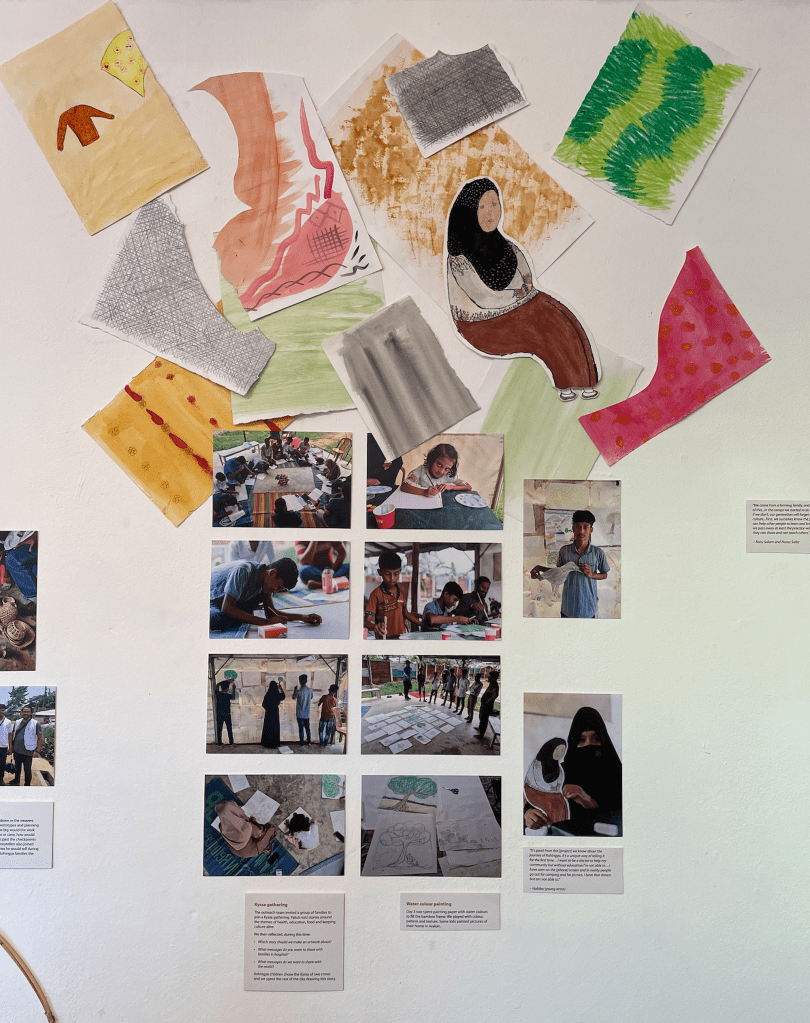
The outreach team invited a group of families to join a kyssa gathering. Yakub told stories around the themes of health, education, food and keeping culture alive. We then reflected, during this time:
- which story should we make an artwork about?
- what messages do you want to share with families in hospital?
- what messages do we want to share with the world?
Rohingya children chose the kyssa of two crows and we spent the rest of the day drawing this story.
Water colour painting
Day 3 was spent painting paper with water colours to fill the bamboo frame. We played with colour, pattern and texture. Some kids painted pictures of their home in Arakan.
Preparing the bamboo
While the children painted the weavers prepared the bamboo. The process began with raw bamboo poles, these were cut to 2m lengths, and then repeatedly split with a machete to make thin strips. The machete was then used like a plane to shave the strips down further (thin enough to bend and smooth enough to run across your tongue). Thinner strips of cane were then prepared through a similar process for the binding.
Weaving the frame
The group’s drawings were brought together into a final design. The bamboo strips were turned on their side, layered up, curved into forms and held together the cane binding. The local and visiting makers spent over a week weaving together, often with no spoken language, figuring things out, teaching each other and making jokes though slapstick humour.
“We used the international language (body language).” – Nuru Salam
Attaching the paper
The paper panels were cut to shape, arranged like a collage and attached to the frame with cane tabs. Some sections were filled with fabric from Arakan and a woven matt we bought from the market in Kutupalong.
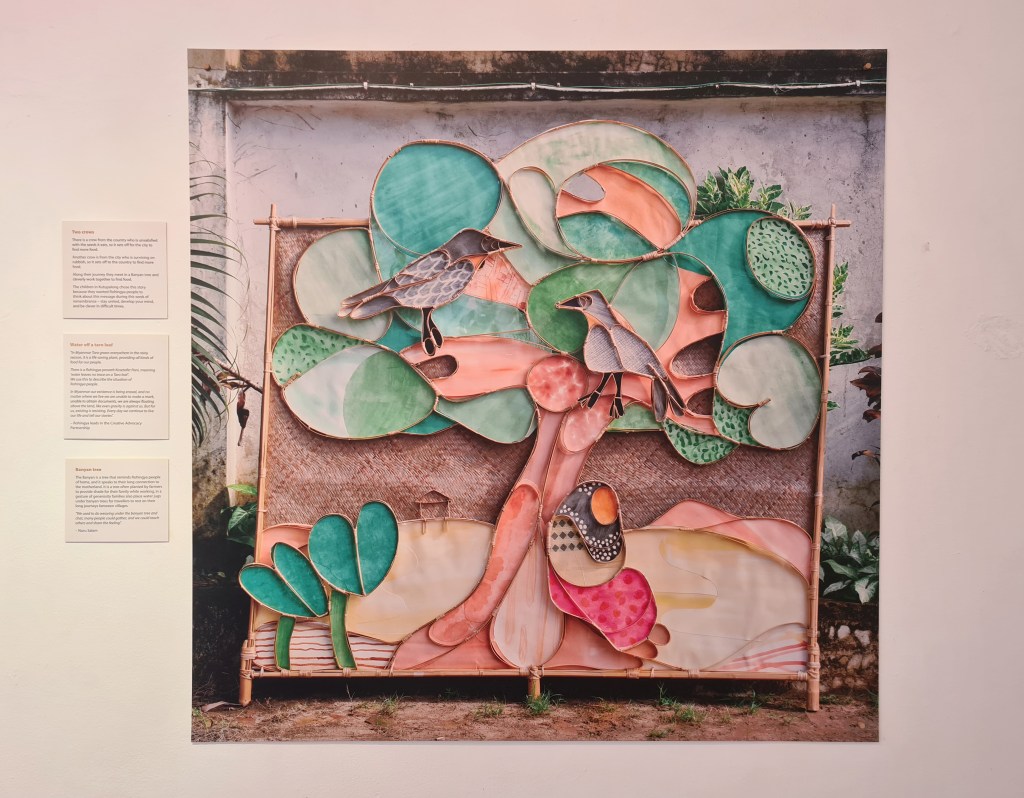
Banyan Tree
The The banyan is a tree that reminds Rohingya people of home, and it speaks to their long connection to the motherland. It is a tree often planted by farmers to provide shade for their family while working, in a gesture of generosity families also place water jugs under banyan trees for travellers to rest on their long journeys between villages.
“We used to do weaving under the banyan tree and chat, many people could gather, and we could teach others and share the feeling.” – Nuru Salam
Two Crows
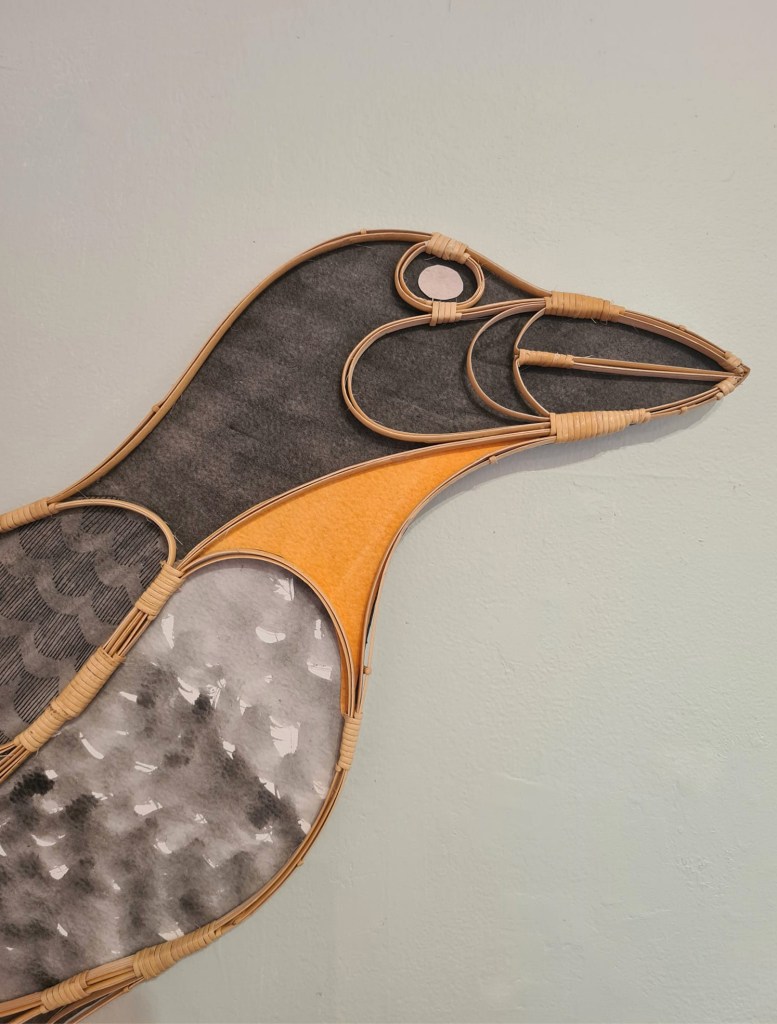
There is a crow from the country who is unsatisfied with the seeds it eats, so it sets off for the city to find more food. Another crow is from the city who is surviving on rubbish, so it sets off to the country to find more food. Along their journey they meet in a banyan tree and cleverly work together to find food. The children in Kutupalong chose this story because they wanted Rohingya people to think about this message during this week of remembrance – stay united, develop your mind, and be clever in difficult times.
Water off a taro leaf
“In Myanmar taro grows everywhere in the rainy season, it is a life saving plant, providing all kinds of food for our people. There is a Rohingya proverb ‘Kosetafer Pani’, meaning ‘water leaves no trace on a taro leaf’. We use this to describe the situation of Rohingya people. In Myanmar our existence is being erased, and no matter where we live we are unable to make a mark, unable to obtain documents, we are always floating above the land, like even gravity is against us. But for us, existing is resisting. Every day we continue to live our life and tell our stories.” – Rohingya leads in the Creative Advocacy Partnership
Phone to the camp
A live video call to Kutupalong, speaking with Mohammed Rezuwan (Rohingya Refugee in Kutupalong documenting traditional folktales) and Arunn Jegan (who was MSF head of mission in Kutupalong at the time):

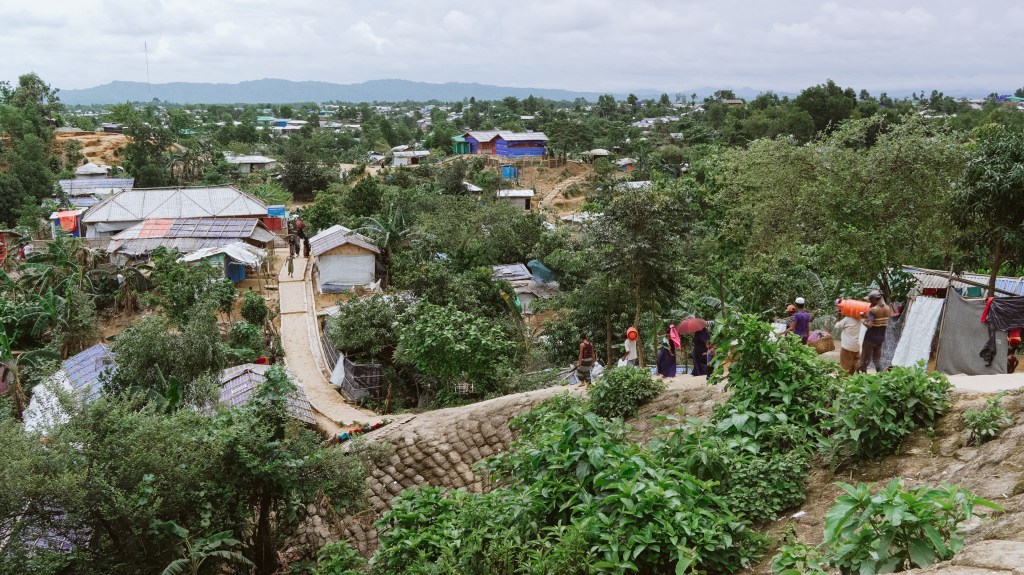
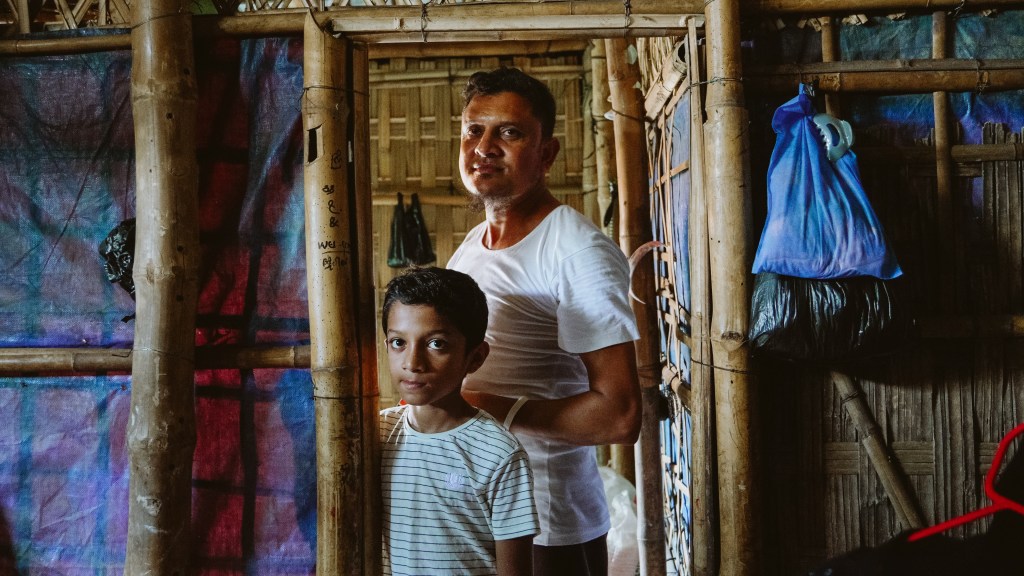
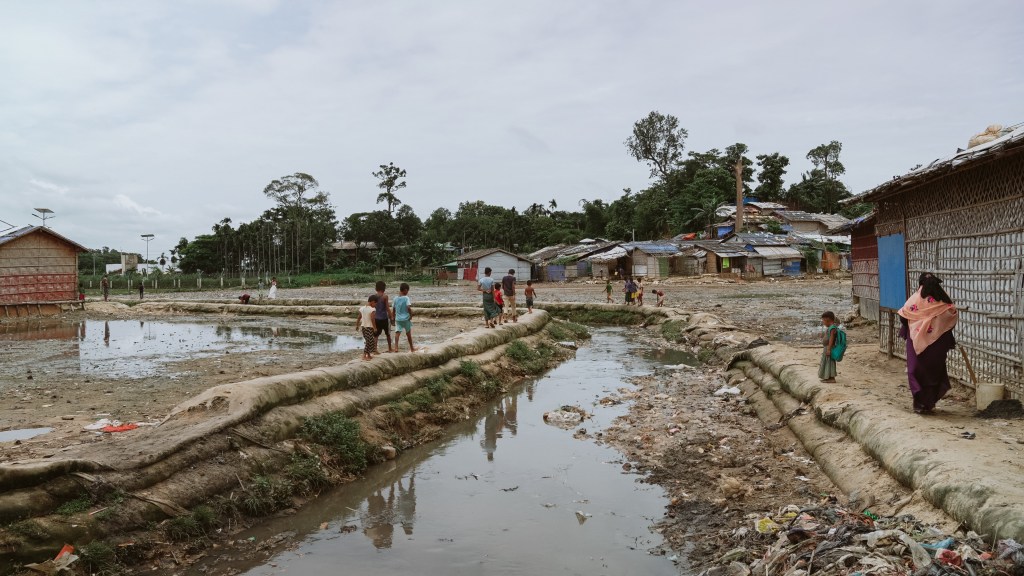
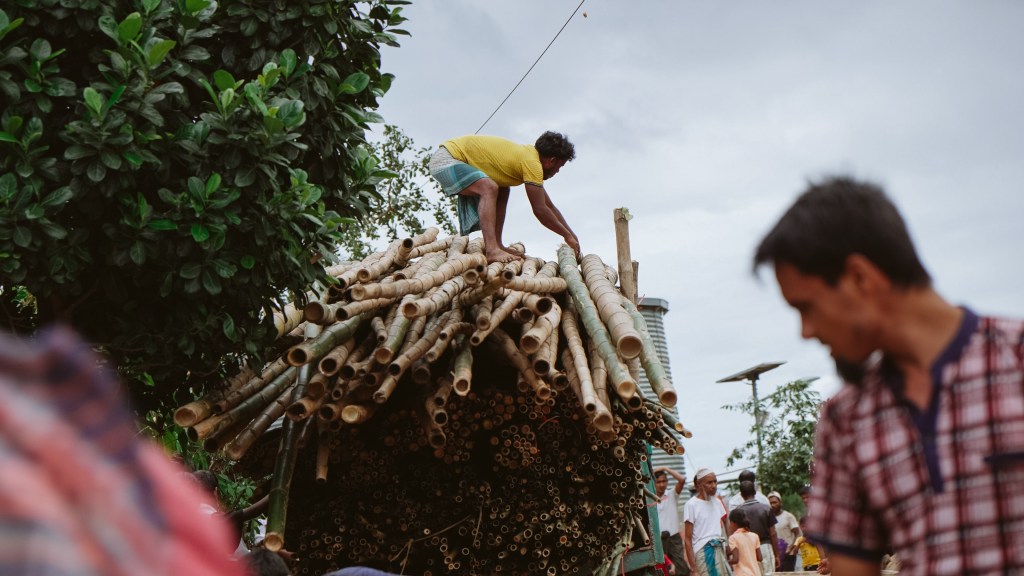
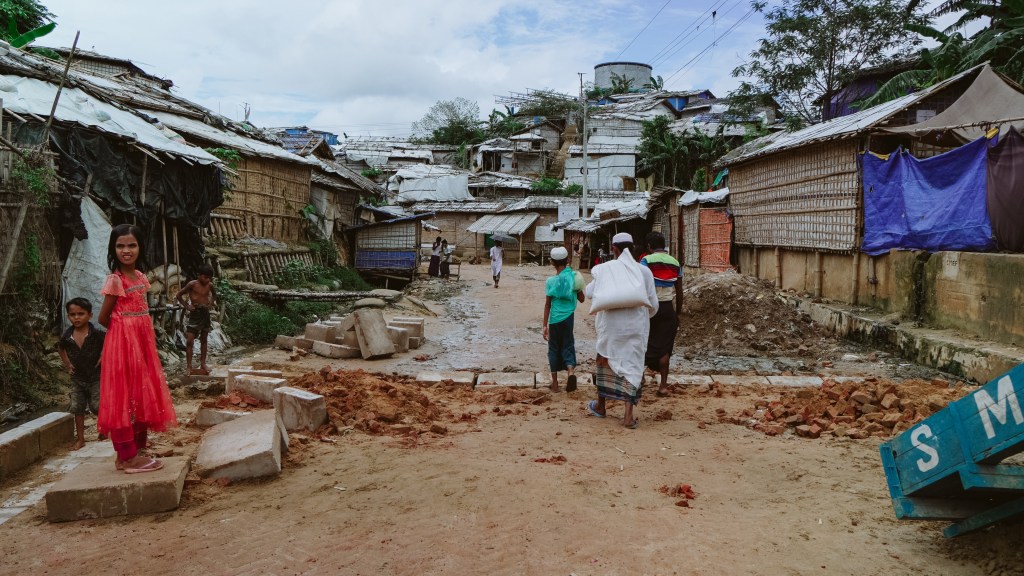
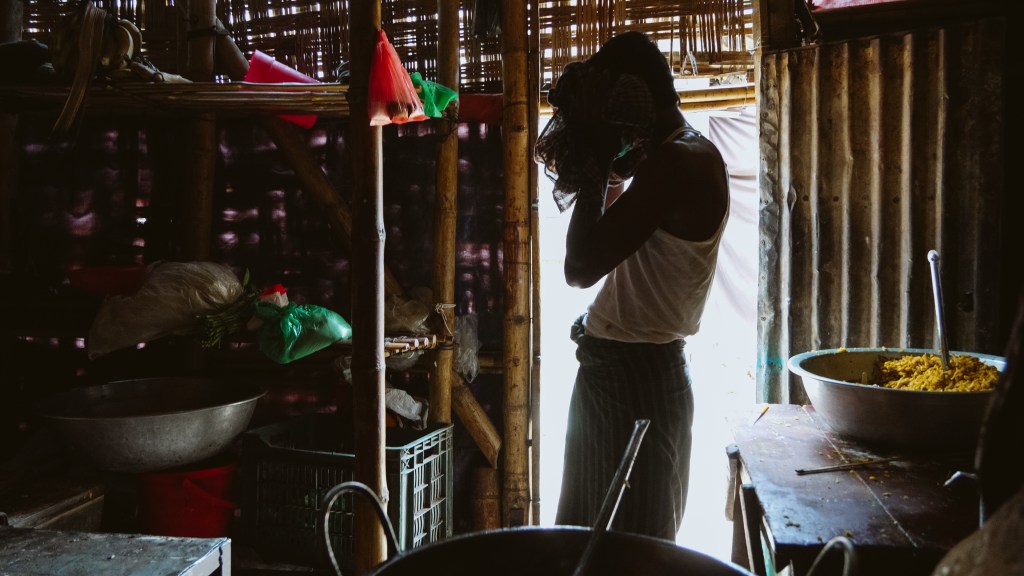
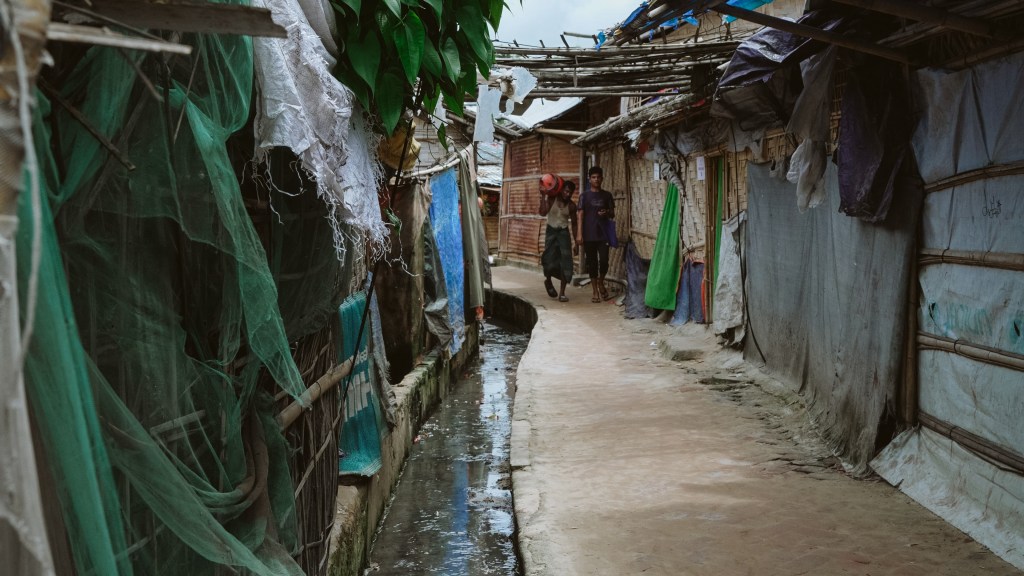
Photo essay of life in the camp
Photographer’s note
Walking through the Kutupalong camps as a visitor with members of the Rohingya Médecins Sans Frontières liaison team, I felt privileged to learn and understand more about the Rohingya people and culture.
I learnt about the complex situation they experience in the camps: an untenable situation where the Rohingya face issues around healthcare, safety, and basic needs.
But despite the conditions, what shone through for me most was the Rohingya people – a people who are generous, warm and resilient. I met young people who had wisdom that belied their years. Kids who grew up most of their lives in the camps, who are ready for opportunity, learning and absorbing as much as they can, but waiting for that chance to act on it.
This photo essay only scratches the surface of life in the camps, but I hope it provides some insight into the situation people are in – and of a vision for the future where Rohingya people’s lives are valued.
Victor Caringal, visual storyteller, Médecins Sans Frontières
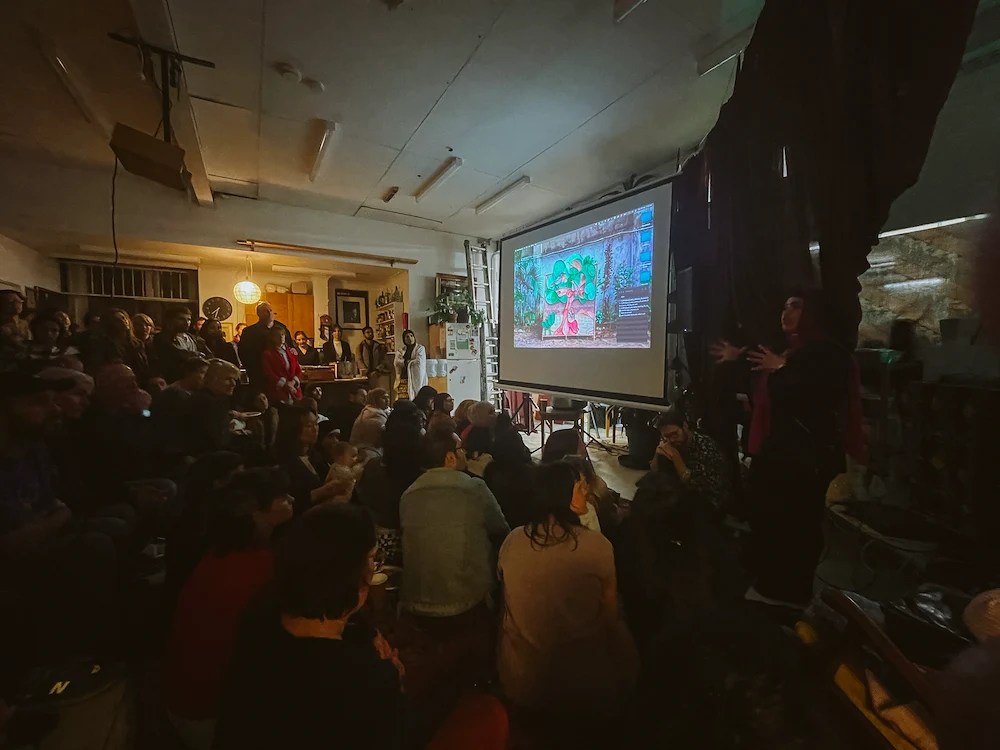
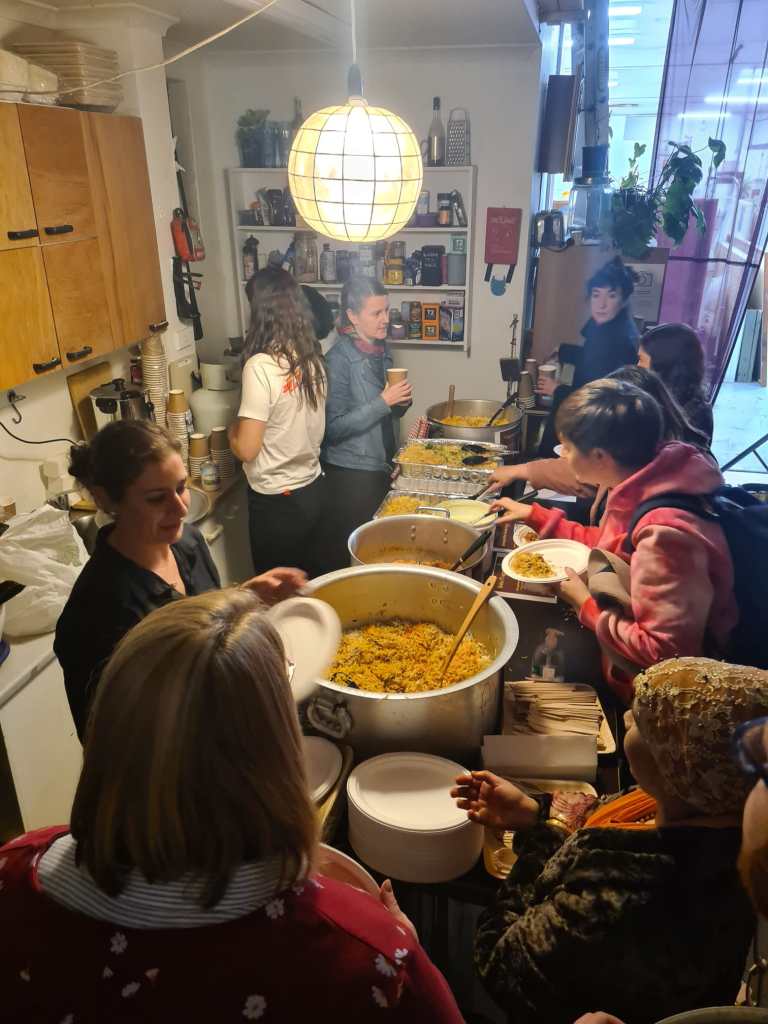
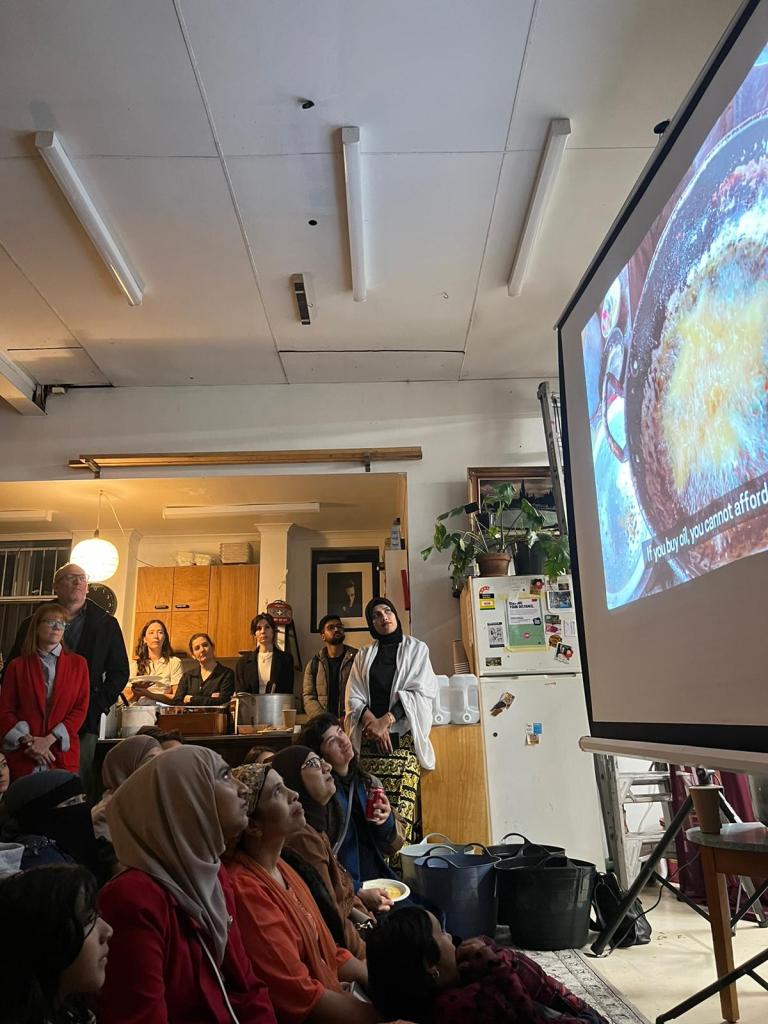
Dinner, film screenings and discussion
Delicious Rohingya dinner cooked by Sajeda from ARWDO, screening of films made by Victor Caringal of the project and camp life during our visit to Kutupalong, and discussion on Creative advocacy hosted by Asma Nayim Ullah and Tasman Munro:
 Creative Advocacy Partnership