
Long Table : a special night of food and storytelling
in a celebration of Rohingya culture and survival.
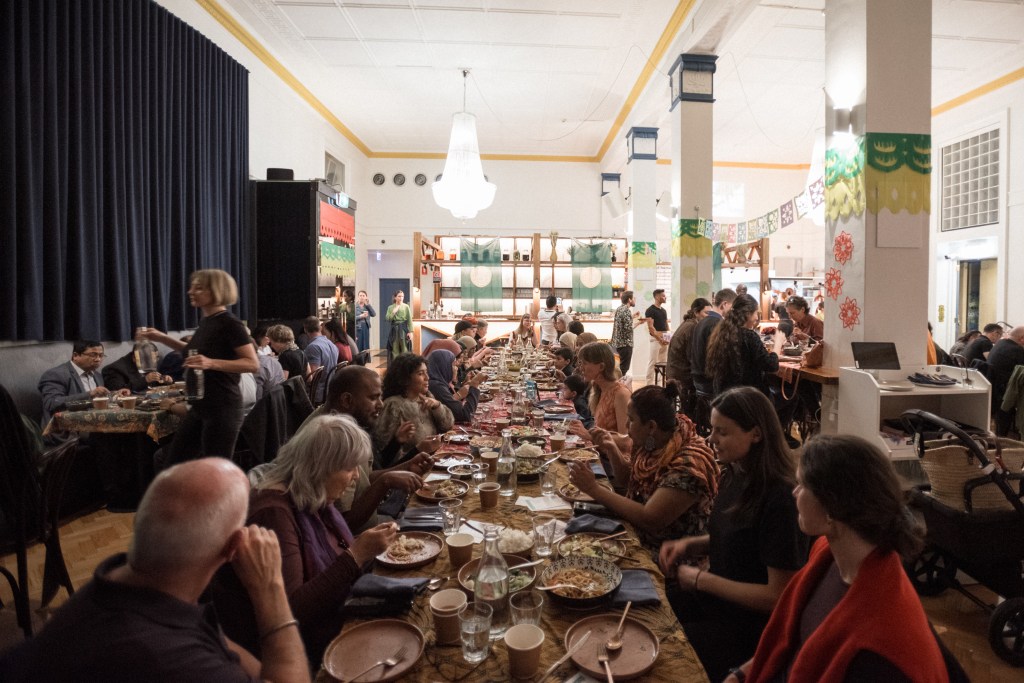
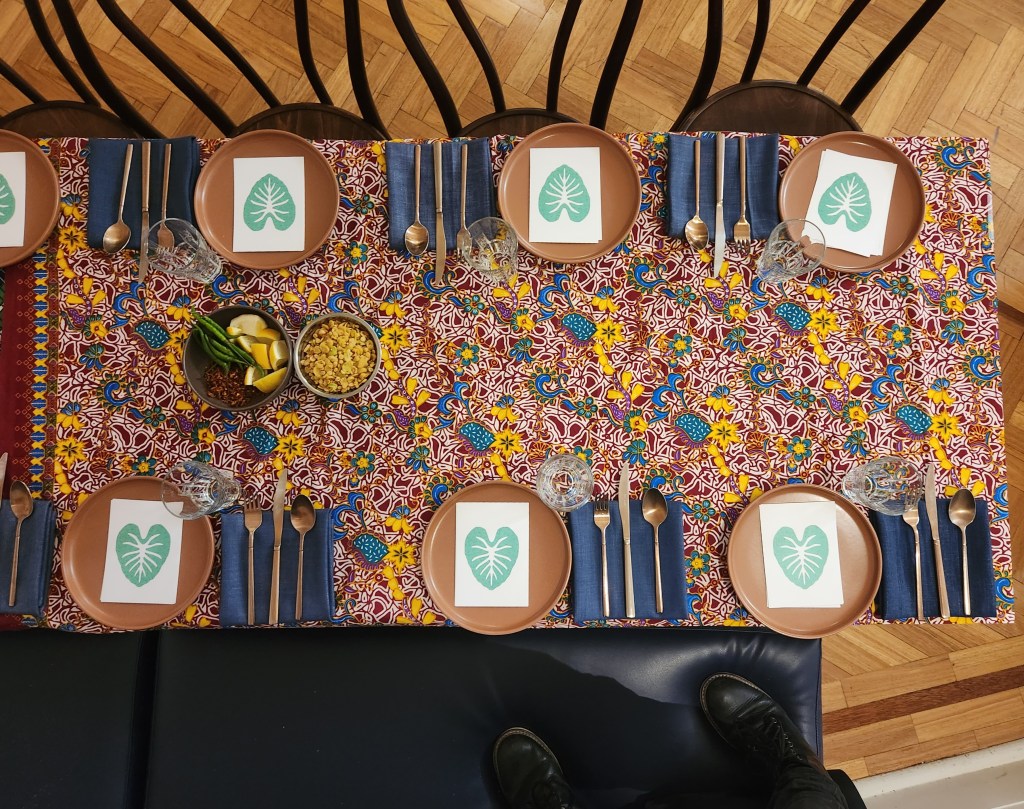
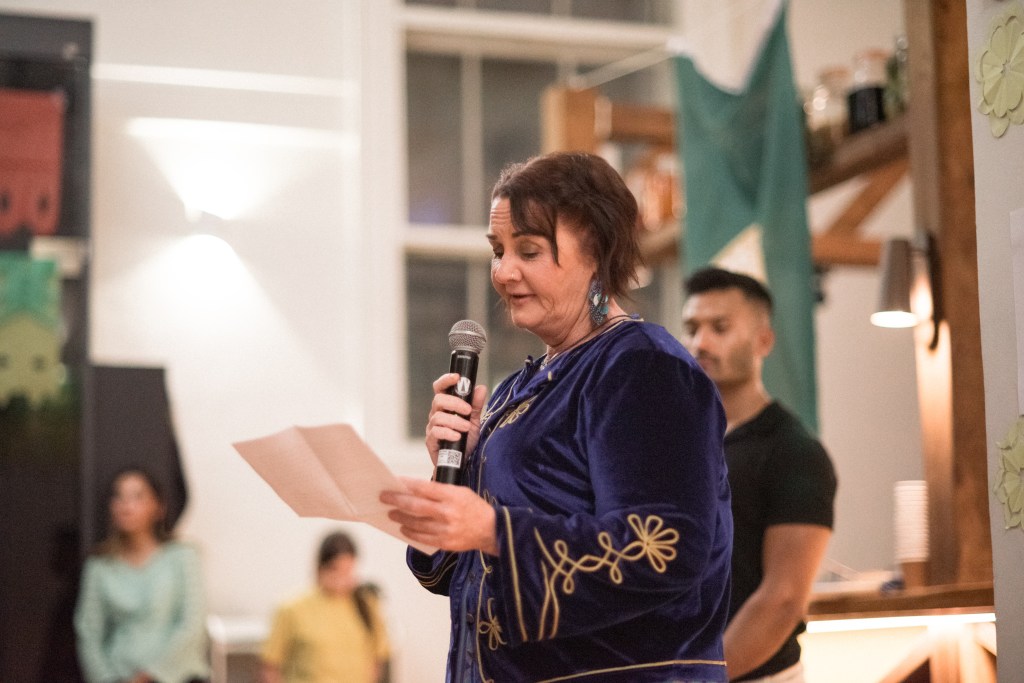
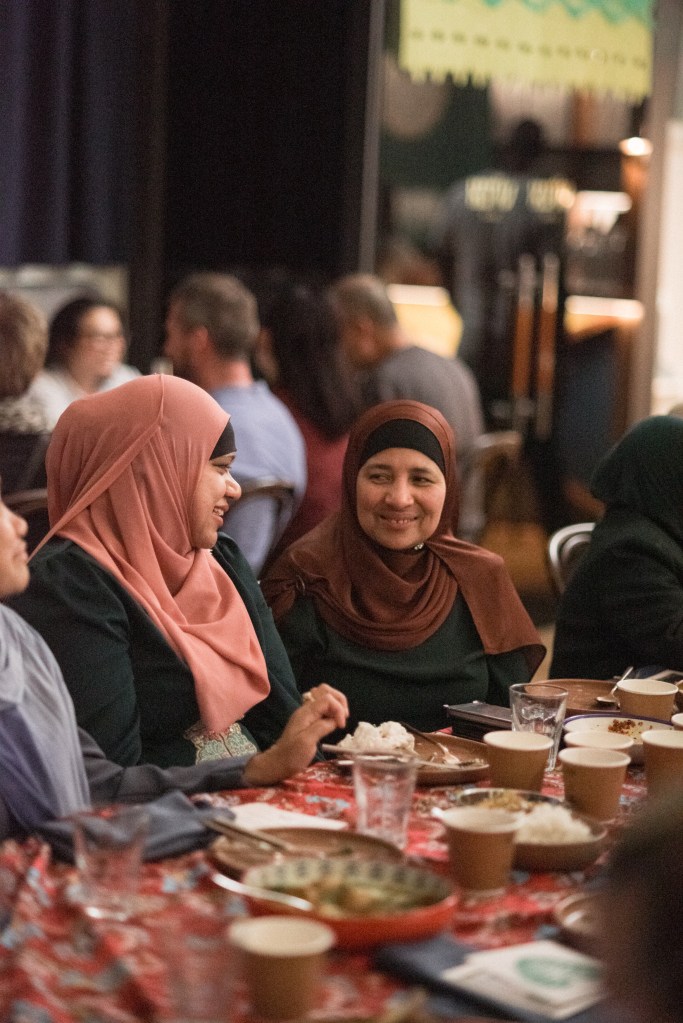
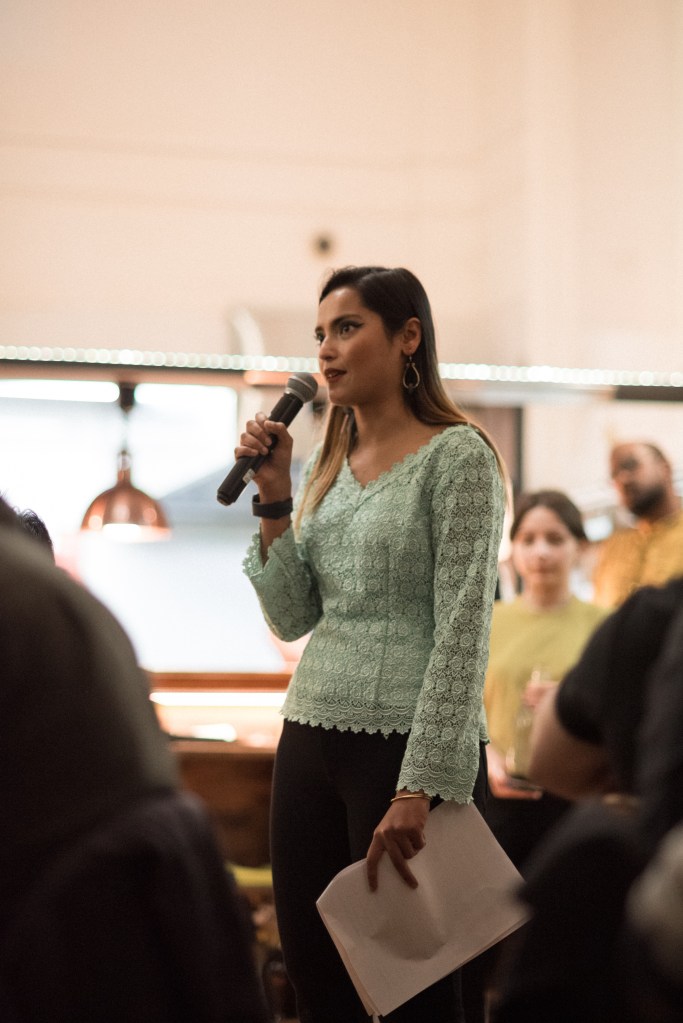
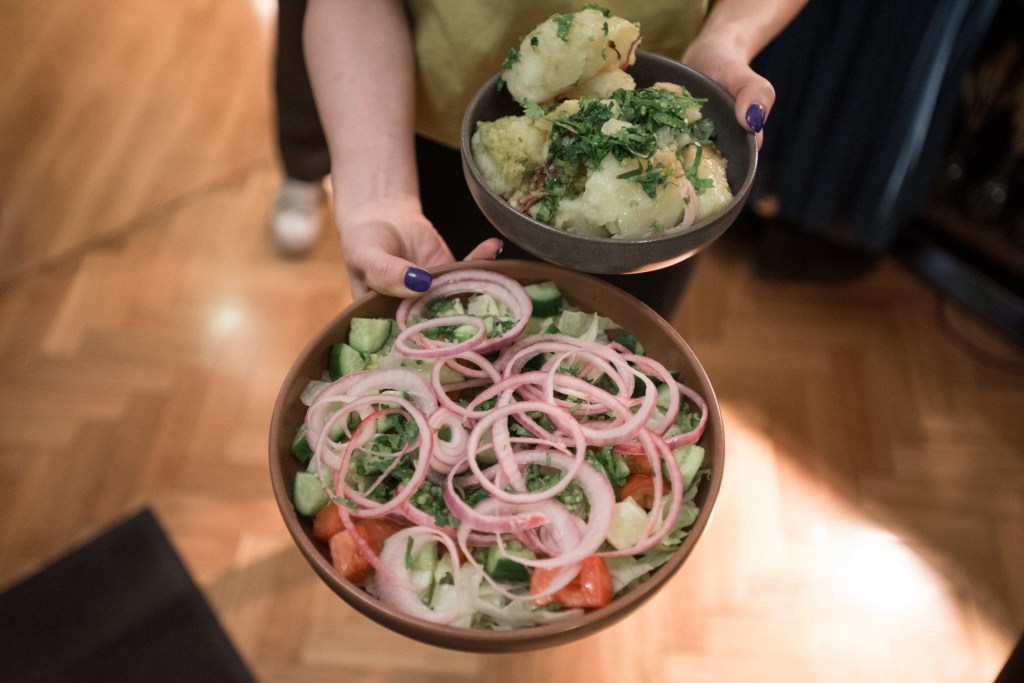
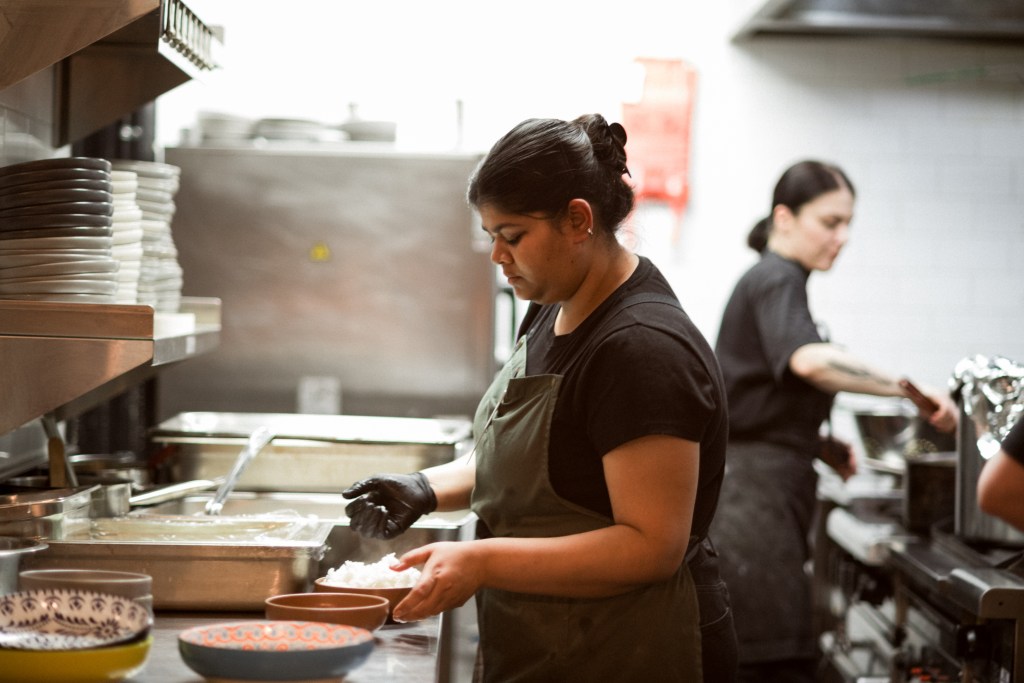
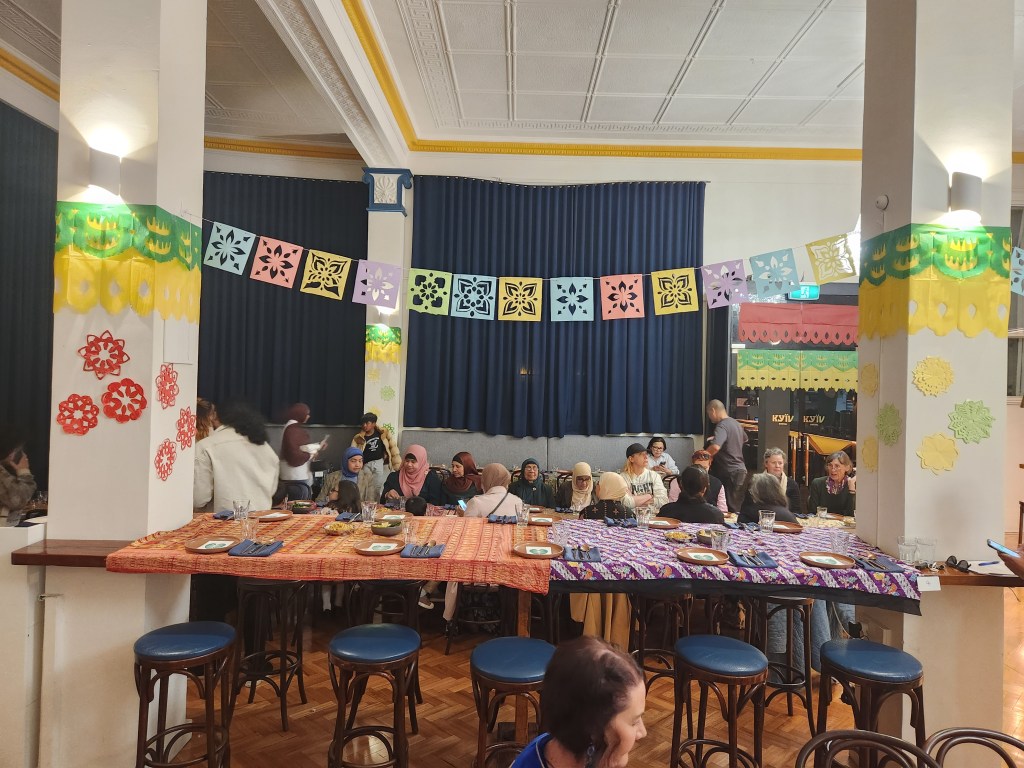
A curated, three-course menu featuring authentic Rohingya dishes, shared by the Rohingya community and made by Plate It Forward chefs. Featuring short performances, talks and artistry, the night was a unique opportunity for Sydney’s Rohingya community, artists and advocates to share a meal, connect and plan ways to move forward together.
Developed in partnership with MSFA, Noor Azizah (founder of the Rohingya Maìyafuìnor Collaborative Network), Noor Uddin, Plate It Forward, Australian Rohingya Women’s Development Organisation and Elom Initiatives.

Decorations
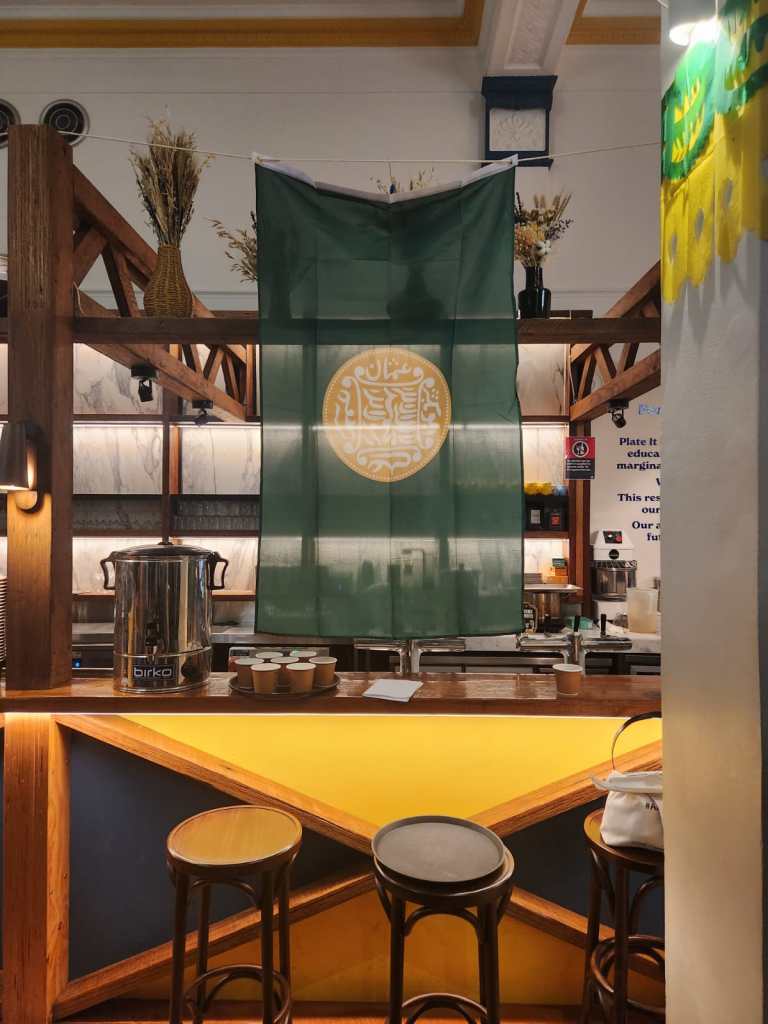
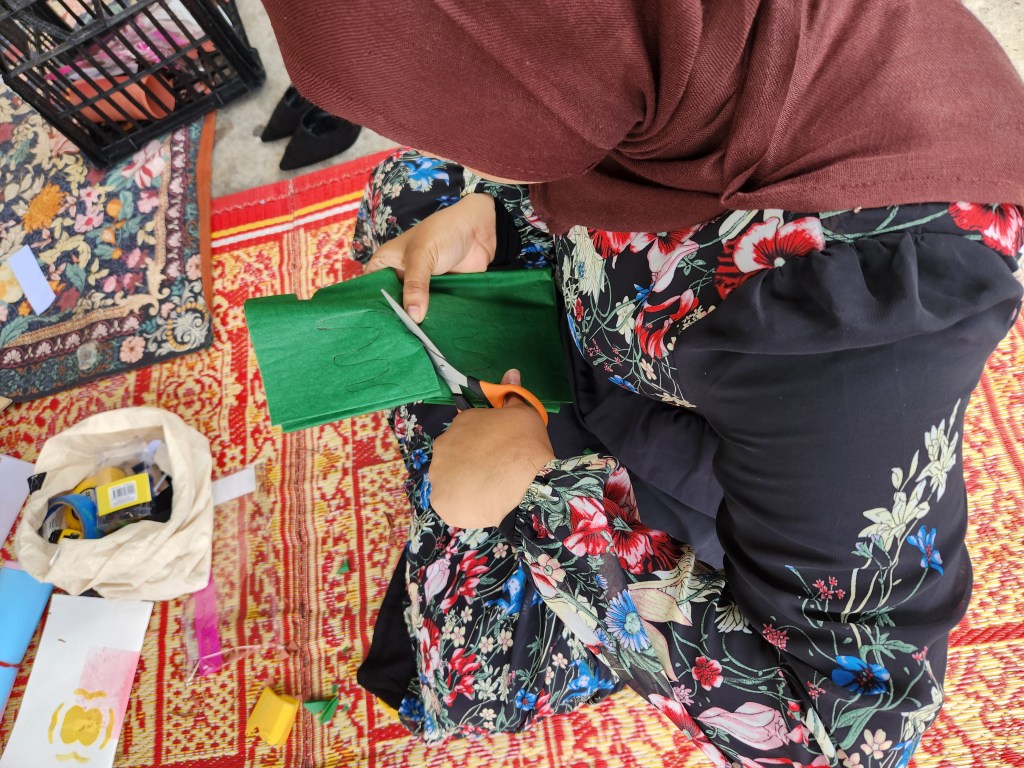
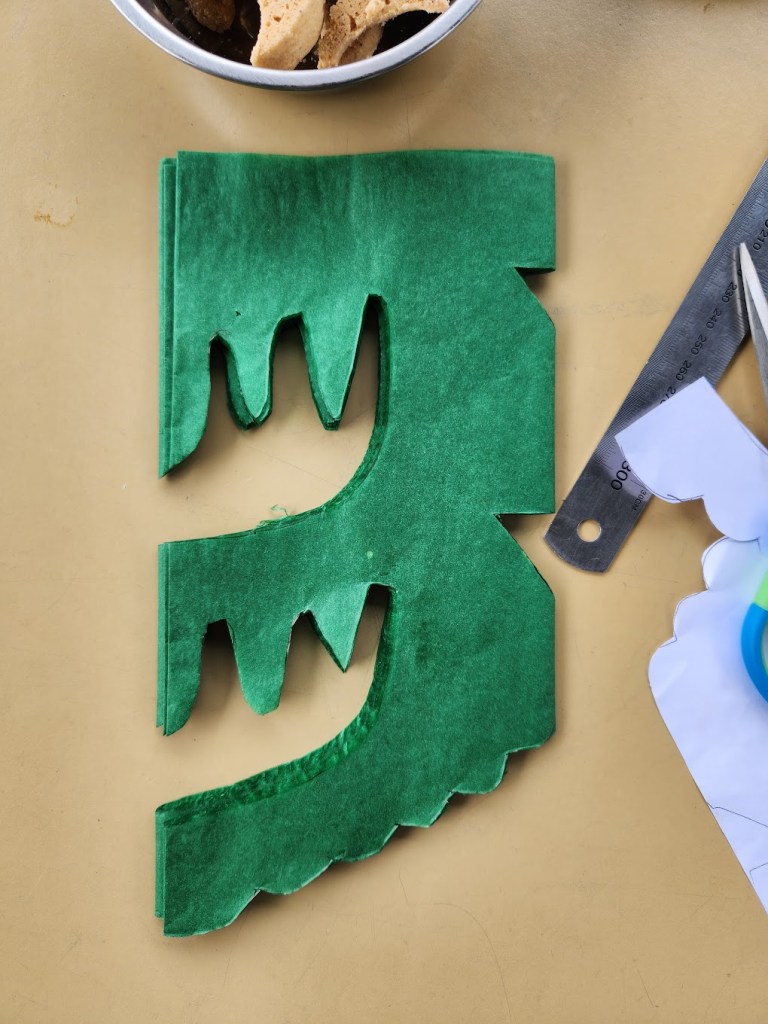
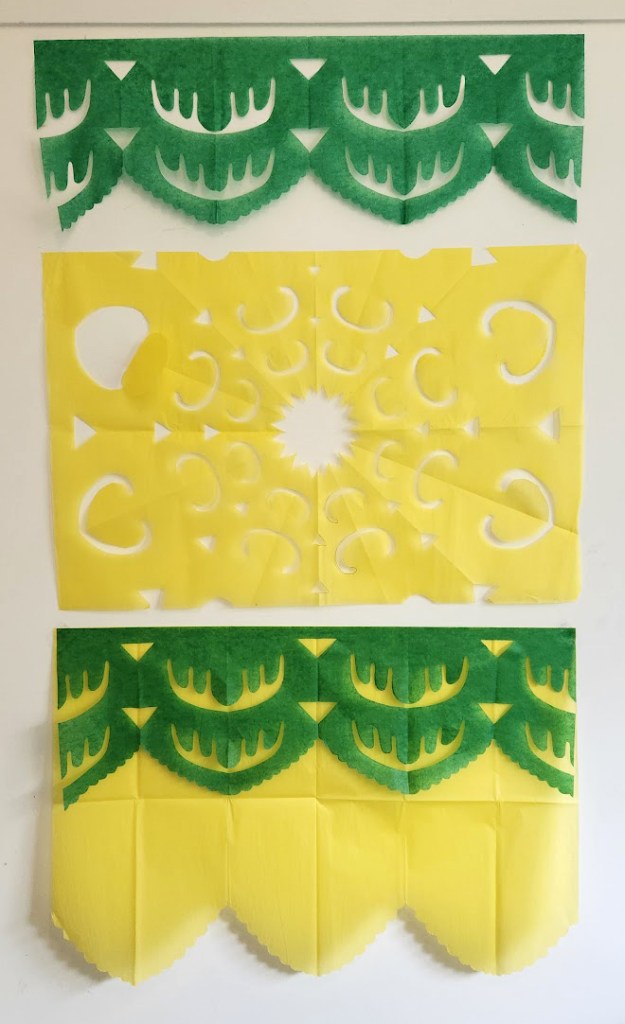
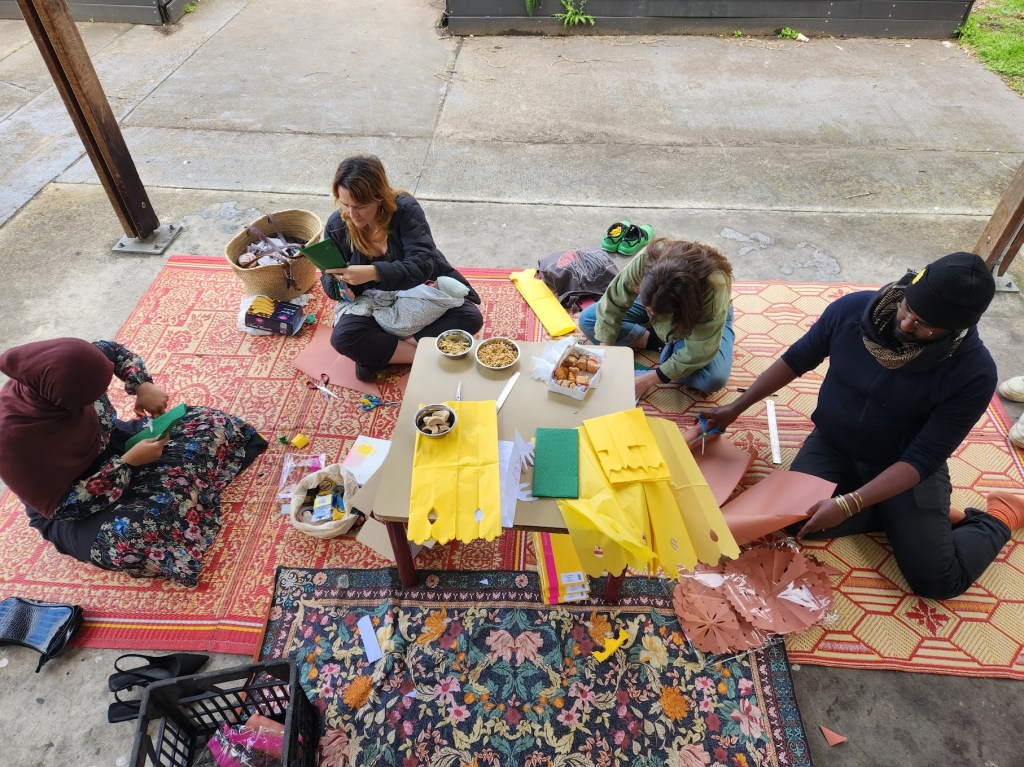
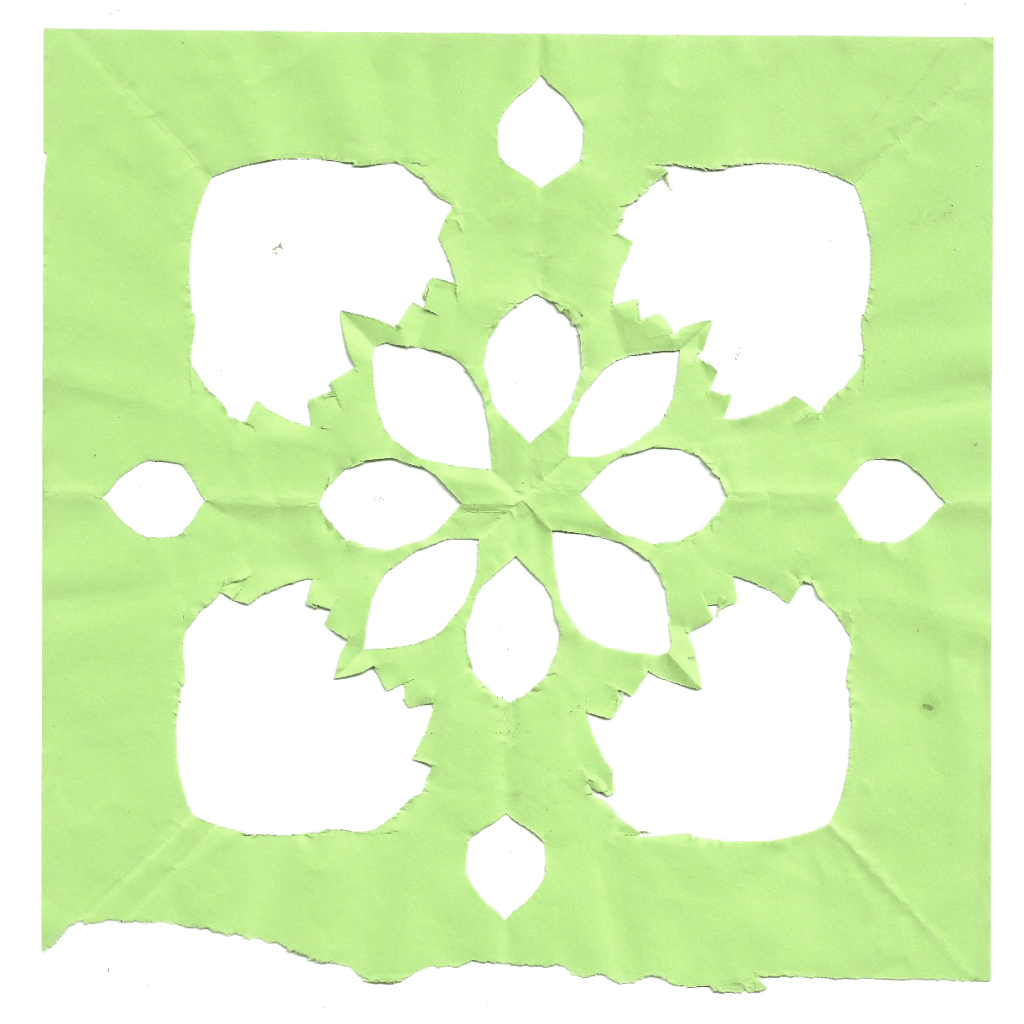
Rohingya papercuts: To add to the celebration of Rohingya culture and bring colour to the night we worked with Rohingya kids and young people in western Sydney and Malaysia to make paper cuts inspired by decorations used at Eid and Rohingya weddings. Special thanks to Elom Initiatives in who hosted workshops in Kuala Lumpur and sent them over for the night!








Postcards: Each guest received a collection of postcads including recipes, the Taro leaf and evidence of Rohingya existence supplied by Ek Khaale.
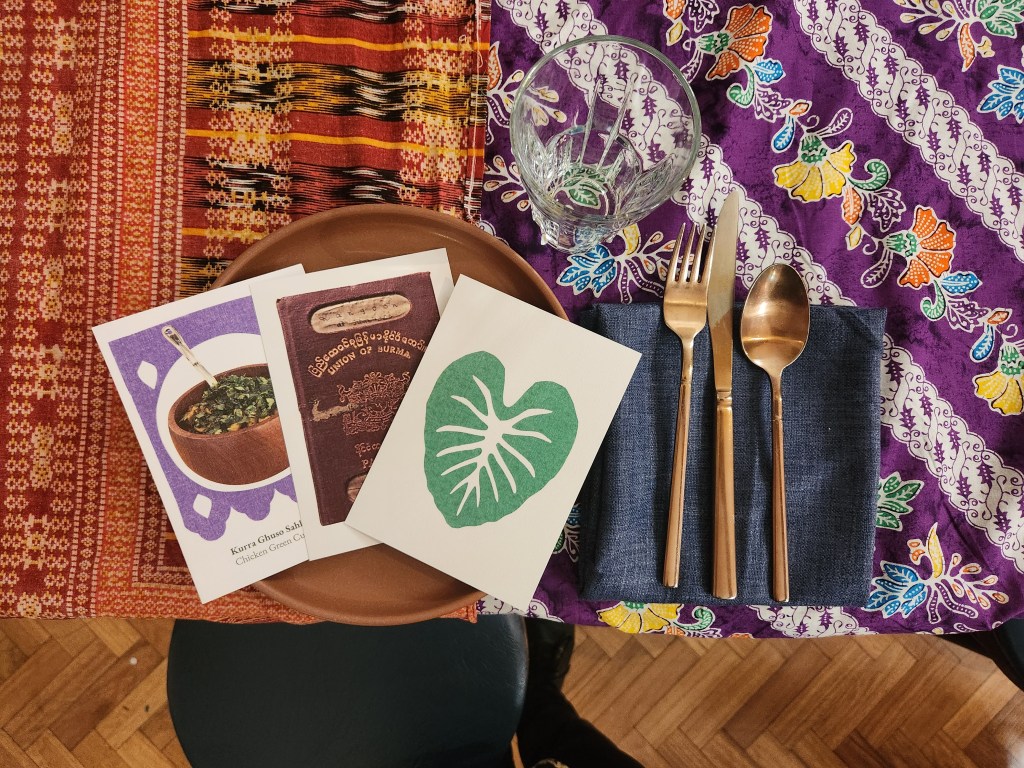
Rohingya Recipes
Noor Azizah worked with her community and the chefs at Plate it forward to develop a collection of dishes to showcase Rohingya stories of country, culture and migration. We developed these recipe cards s you can cook them at home!
MSFA produced this great video of cooking with Noor and Benjamin Law:
Stories of Impact
Participating in the Rohingya cultural celebration in Sydney was an experience that proved to be profoundly moving and revelatory in equal measure. It was, for me, a moment of profound personal healing and a hopeful glimpse into a world where Rohingya culture is not just surviving but thriving in what I would term a ‘normalised’ environment. This celebration was more than just an event; it was a vibrant testimony to the resilience and cultural richness of the Rohingya people, a far cry from the displacement and suffering that has characterized their narrative in recent years. Sitting at a table with a group of individuals, some of whom were hearing about the Rohingya plight for the first time through the stories I shared, was eye-opening. The shock and disbelief on their faces were palpable, highlighting a significant gap in awareness. It underscored a disconcerting truth: despite being so close to the epicentre of the Rohingya crisis, many of us in Australia remain largely unaware of the depth of their suffering and the complexity of their situation. This disconnect is not just geographical but emotional and informational, creating a gap between the experiences of our neighbours and our understanding of them.
The cultural celebration was healing not only because it showcased the beautiful
aspects of Rohingya culture—its music, art, and culinary traditions—but also because it was a powerful reminder of humanity’s capacity for resilience and joy, even in the face of unimaginable hardship. Seeing Rohingya culture celebrated and embraced in Sydney was a poignant reminder that there is hope for a future where the Rohingya can freely express and celebrate their identity without fear of persecution. Moreover, the experience was a wake-up call for me and many others. It challenged us to bridge the gap in our understanding and empathy towards the Rohingya. The conversations that night, provoked by the stories shared, were a crucial step towards building a more informed and compassionate Australian community that recognizes and responds to the injustices faced by our Rohingya neighbours. – Kaylene Tomkins, hospital director at MSF’s Kutupalong hospital in Bangladesh
 Creative Advocacy Partnership